If you are thinking about selling a Lakeland rental property, timing matters more than many landlords expect. Between lease dates, tenant access, deposits, and property condition, a rental sale can get complicated fast even when the house itself seems straightforward. The good news is that with the right plan, you can avoid surprises and choose the path that fits your timeline and stress level best. Let’s dive in.
What Florida law means for your sale
If your rental is in Lakeland, Florida’s Residential Landlord Tenant Act sets the basic rules for how the property can be rented and managed. That matters when you sell because the law affects tenant access, notice timing, and what happens to deposits after closing.
One important point is access. Florida law allows a landlord to show the property to prospective or actual purchasers, and a tenant may not unreasonably withhold consent. At the same time, access cannot be abused or used in a way that harasses the tenant, so showings need to be handled carefully and respectfully.
Entry planning matters here. Florida law requires at least 24 hours' notice for repair entry and expects entry to happen at a reasonable time, which gives you a practical framework for coordinating visits. If your tenant is still living in the home, you should expect the sale process to involve scheduling rather than unlimited access.
Security deposits and advance rent also need attention before closing. When title transfers, those funds must be transferred to the new owner or agent along with an accounting. Florida also requires written notice about where the deposit is held, and later changes to that information must be provided within 30 days.
Check the lease before anything else
Before you decide how to sell, read the lease closely. The lease term and notice language often shape the entire timeline, especially if you want the property vacant by closing.
If the tenancy is month to month, Florida’s baseline is 30 days' notice. If the lease has a specific duration, the notice clause may require 30 to 60 days' notice from either side. That is why it helps to compare the lease calendar to your ideal closing date as early as possible.
If you skip this step, you could end up ready to sell but unable to deliver vacancy when you expected. For many Lakeland landlords, this is the first issue to sort out because it affects whether the home is marketed occupied or after move-out.
Selling occupied vs vacant
One of your biggest decisions is whether to sell the rental with the tenant in place or wait until the property is vacant. There is no single right answer. The better option depends on your tenant, your lease, your timeline, and the condition of the property.
When an occupied sale makes sense
Selling with the tenant in place can work well if rent is current, the tenant is cooperative, and the lease terms are clear. This option may make sense if you want to avoid a gap in income before closing or if the buyer is likely to be interested in rental income.
The main challenge is logistics. Because the tenant still has peaceful possession, showings have to be coordinated rather than handled like an unrestricted open house. That means more communication, more planning, and less flexibility for photos, inspections, and walkthroughs.
An occupied sale often works best when the paperwork is organized. Having the lease, rent history, deposit records, and repair records ready can help a buyer understand the property faster and price the deal with more confidence.
When a vacant sale makes sense
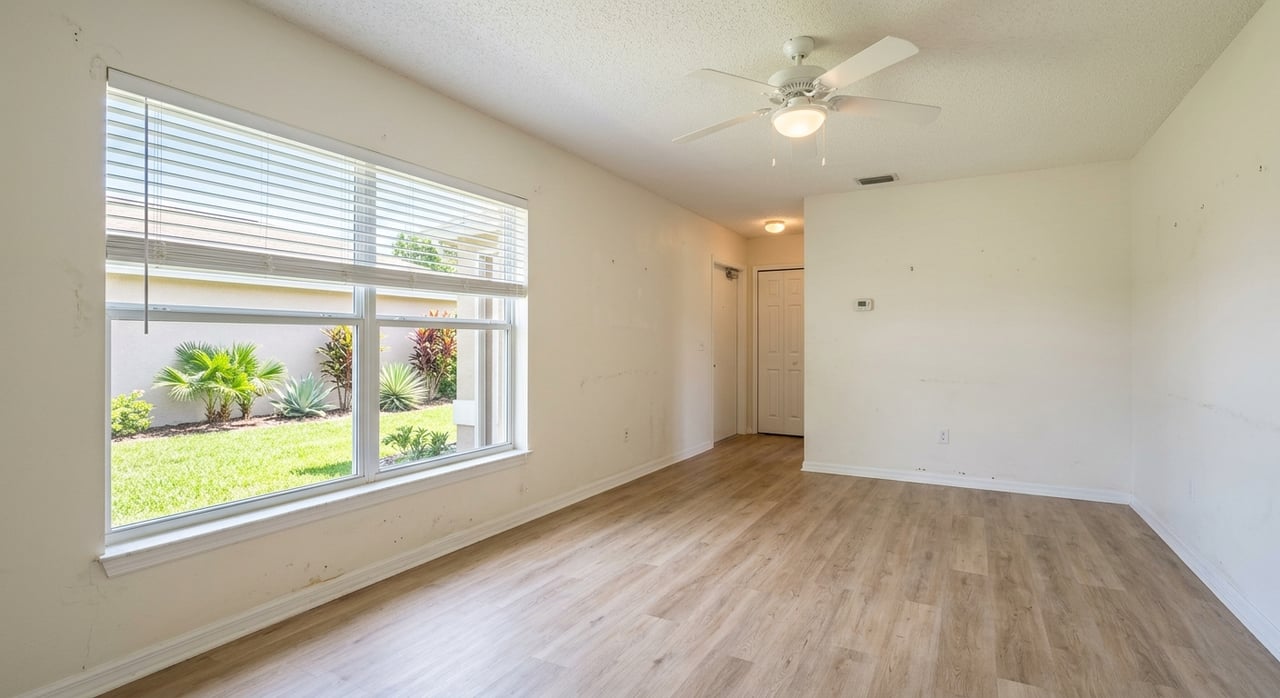
Selling after vacancy can simplify almost every part of the process. It is easier to schedule cleaning, photos, inspections, and repairs when no one is living in the home.
Vacancy can also help if the property needs a reset. If the home has deferred maintenance, worn finishes, or code-related issues, having it empty gives you more freedom to decide whether to do touch-ups or sell it as is.
The tradeoff is that the spotlight shifts more heavily to condition and income potential. According to Fannie Mae guidance, income-based valuation is tied to the rent or income the property can earn and should be supported by comparable rental and sales data. In practical terms, a vacant rental may need a clearer story around condition, market rent, and repair needs.
What if the tenant will not leave?
Sometimes the sale plan depends on the tenant moving out, and that does not happen on schedule. If a holdover tenant remains after the tenancy ends, Florida uses a court-based process to restore possession to the landlord.
After a judgment for possession, the clerk issues a writ, and the sheriff posts 24-hour notice before possession is restored. That means a delayed move-out can affect your sale timeline in a serious way. If vacancy at closing is important to you, build in extra time rather than assuming everything will line up perfectly.
How buyers look at a Lakeland rental
Most buyers looking at a rental property focus on three things: income, condition, and risk. If you understand those categories before listing or requesting an offer, you can make better decisions about timing and prep.
Income and rent history
Investor buyers and lenders often view a rental through its earning potential. Fannie Mae says income-based valuation is tied to the rent or income a property can earn and should be supported by comparable rental and sales data.
That does not mean every buyer will use the same formula. It does mean that clear records can help support your numbers. If you can show the lease terms, rent payment history, and basic operating details, the buyer may be able to evaluate the property more quickly.
Condition and deferred maintenance
Condition still matters, even in an as-is sale. Fannie Mae says appraisers must note deferred maintenance and adverse conditions, though some minor issues may still be acceptable as is if they do not affect safety, soundness, or structural integrity.
Examples of minor issues can include worn floor finishes, minor leaks, screen holes, missing handrails, and cracked glass. Problems in those areas do not always stop a sale, but they often shape negotiations. In many cases, the question is not whether the issue exists, but how much it affects price and repair expectations.
Local code basics in Lakeland
Lakeland’s code enforcement materials identify minimum housing standards for items like roofs, exterior walls and doors, windows, floors, and electrical and plumbing systems. That matters because a home can be occupied and still have issues that concern a buyer.
For you as a seller, this is a useful reality check. If the home has obvious problems in one of those systems, expect buyers to notice and factor that into their offer. Smaller issues may lead to price discussions, while larger safety or structural concerns may lead to repair requests or lower numbers.
Which repairs are worth doing first?
Not every rental needs a full renovation before sale. In fact, partial remodeling can sometimes add cost without making the process much easier.
National remodeling data from 2025 shows that the most commonly recommended pre-sale projects include painting the entire home, painting one room, and replacing the roof. The same research also found strong demand for kitchen upgrades, new roofing, and bathroom renovations.
For a Lakeland rental, the more practical question is not what sounds impressive. It is what removes obvious objections without overinvesting. In many cases, that means focusing on paint, roof-related items, and basic fixes tied to habitability or code concerns.
Focus on light touch-ups when possible
If the property mostly needs better presentation, small improvements may be enough. Fresh paint, cleaning up visible wear, and handling simple repair items can improve first impressions without dragging out the sale.
This approach lines up with Fannie Mae’s condition guidance. Not every flaw requires a major rehab if the issue does not threaten safety, soundness, or structural integrity.
Price for condition when repairs are bigger
If the property needs several large-ticket repairs, it may be smarter to price for condition instead of starting a partial remodel. That can be especially true when you are already dealing with landlord fatigue, tenant coordination, or a timeline that does not leave room for weeks of work.
A straightforward as-is sale may appeal to owners who want certainty more than top-dollar optimization. If your goal is a clean exit, the simplest option is often the one that matches the property’s current condition instead of fighting it.
A practical sale plan for landlords
If you are 12 to 24 months away from selling, early planning can make the eventual process much smoother. A few basic steps now can save you time and stress later.
Your landlord checklist
- Read the lease and confirm the term, renewal language, and notice requirements.
- Compare the notice window to your ideal closing date.
- Decide whether you would rather sell occupied or after vacancy.
- Gather deposit records, repair history, and rent records.
- Walk the property and note visible issues with the roof, walls, doors, windows, floors, electrical, and plumbing.
- Decide whether light touch-ups would help or whether the property is better sold as is.
This kind of preparation gives you clarity before you commit to a path. It also helps you move faster once you are ready.
When a cash sale may fit best
If your Lakeland rental needs work, has a difficult tenant schedule, or you simply want to stop managing the property, a direct cash sale may be worth considering. It can be a practical fit when you want to avoid repairs, skip repeated showings, and choose a closing timeline that works for your lease situation.
That does not mean every rental should be sold the same way. It means you should look at the tradeoffs honestly. For some landlords, the best outcome is maximum market exposure. For others, it is a simpler sale with fewer moving parts.
If you want a local, low-pressure way to explore your options, The Small Team - Wholesale Website can help you review your Lakeland rental, understand the condition and timing factors, and request a fair no-obligation cash offer.
FAQs
Can you sell a tenant-occupied rental property in Lakeland, Florida?
- Yes. Florida law allows landlords to show a property to prospective or actual purchasers, but showings must be coordinated appropriately and not handled in a way that abuses access or harasses the tenant.
How much notice is required to end a month-to-month tenancy for a Lakeland rental?
- Florida’s baseline for a month-to-month tenancy is 30 days' notice.
What happens to the security deposit when you sell a Lakeland rental property?
- The security deposit and any advance rent must be transferred to the new owner or agent with an accounting, and Florida requires written notice about where the deposit is held.
Should you sell a Lakeland rental property vacant or occupied?
- It depends on your lease, your tenant’s cooperation, your timeline, and the property’s condition. Occupied sales can preserve rental income, while vacant sales often make repairs, photos, inspections, and showings easier.
Which repairs matter most before selling a Lakeland rental property?
- The most practical pre-sale fixes are usually items that improve first impressions or address obvious concerns, such as paint, roof-related issues, and basic problems involving habitability or major systems.
What if a tenant does not leave before the Lakeland rental sale?
- If the tenancy has ended and the tenant remains, Florida uses a court-based possession process. After a judgment for possession, the clerk issues a writ and the sheriff posts 24-hour notice before possession is restored.