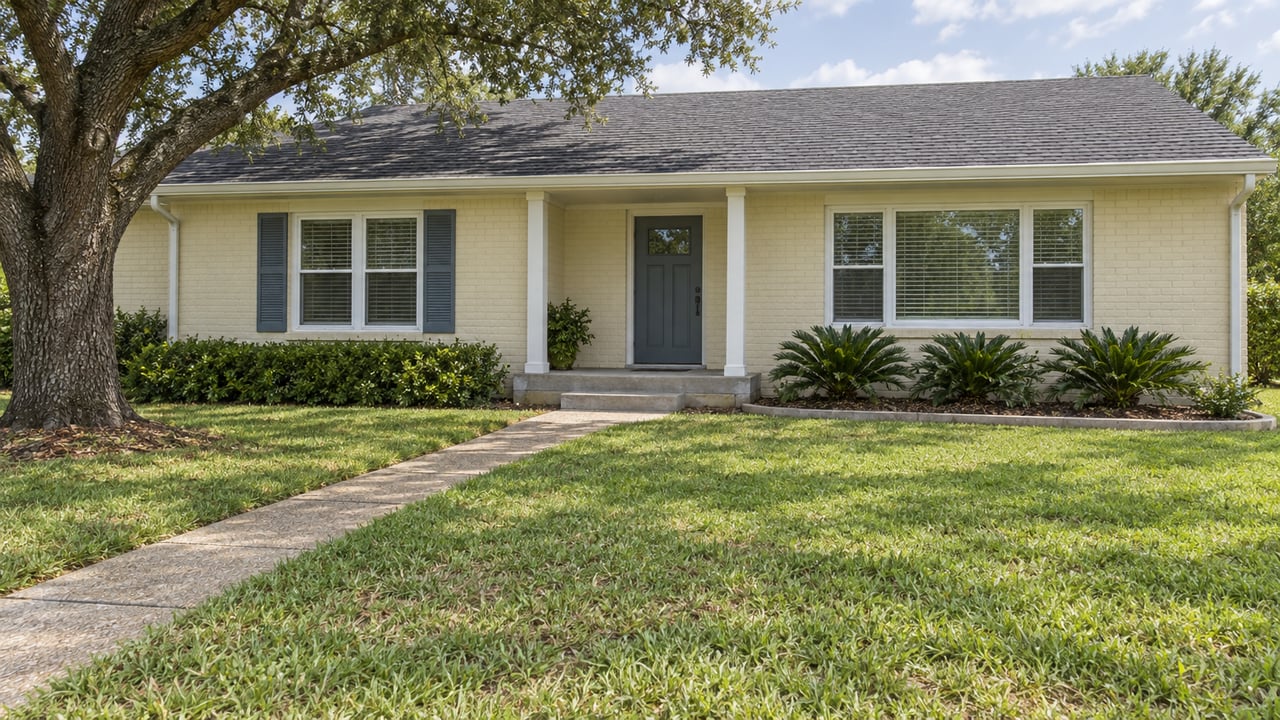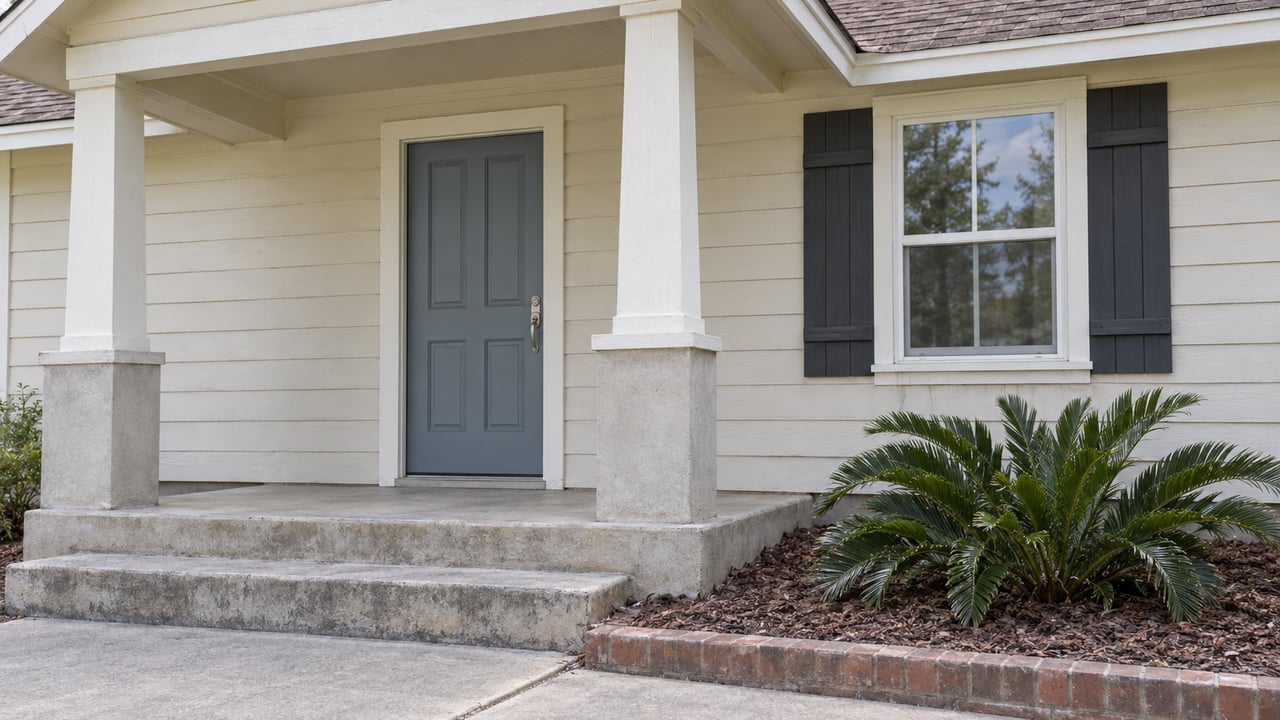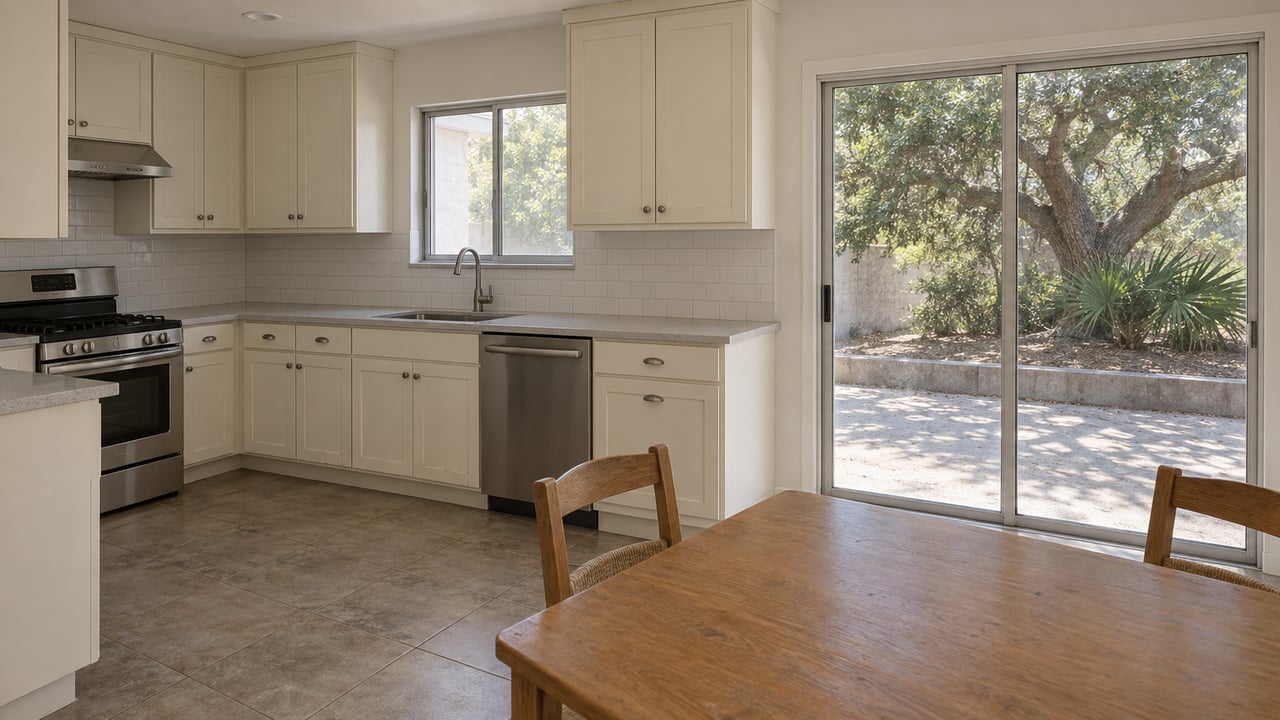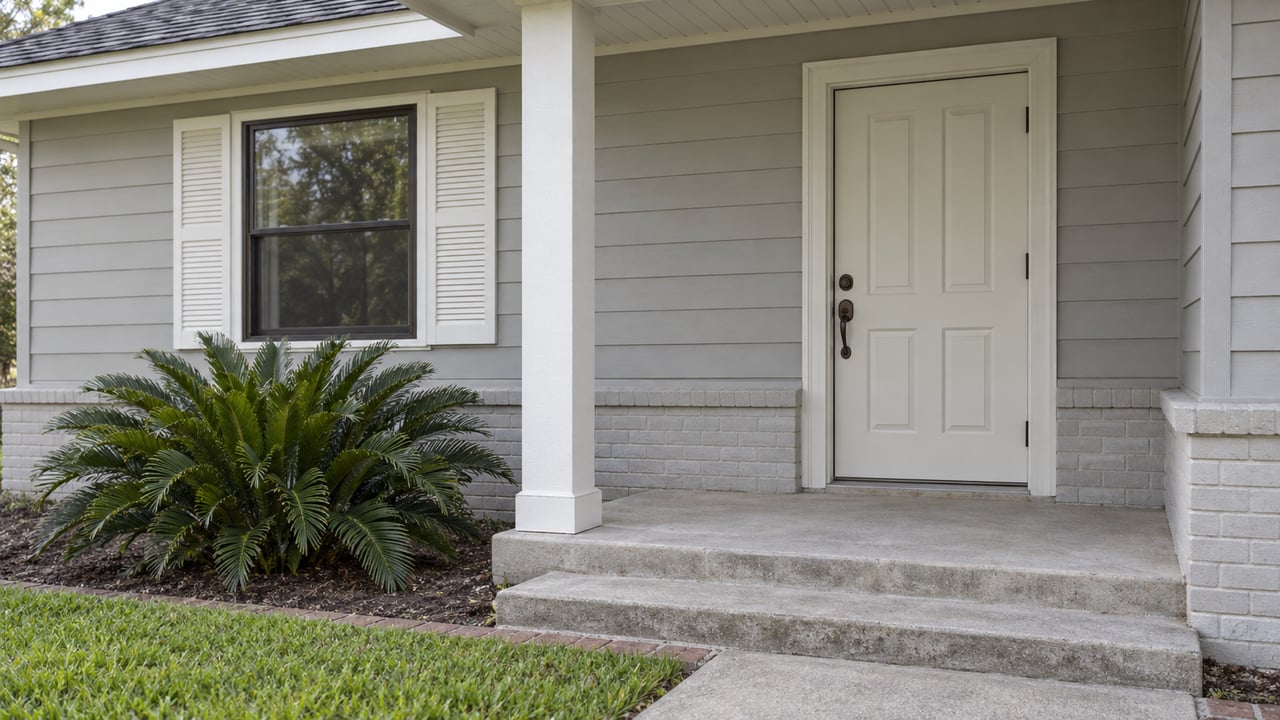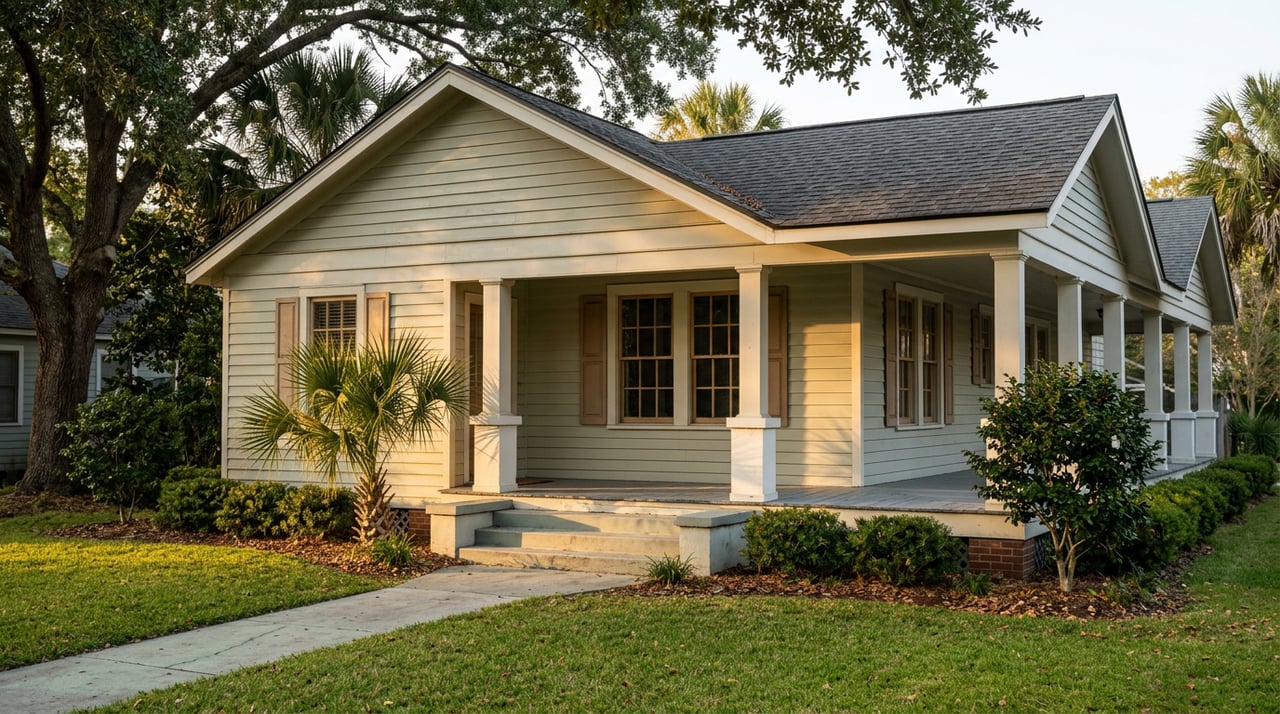
Say you inherited your grandmother's house on the east side of downtown, inside the boundary that runs along Jackson and 1st Avenues and Church and Boulevard Streets. It's one of twenty-six contributing properties in the Northeast Bartow Residential District, listed on the National Register since 1993. The house is solid. It's also eighty years old, and nobody in the family has touched the plumbing since your great-uncle owned it.
You list it. A buyer with a mortgage falls in love with the porch. Their lender orders a 4-point inspection, standard for any Florida home over twenty years old, covering roof, plumbing, electrical, and HVAC. The inspector finds galvanized pipe and a Federal Pacific panel. The insurer won't bind a policy until both are replaced. Your buyer's contingency clock is already running. Now you need a new roof section and a rewire before that clock runs out, and the roof work is exterior, which means it falls under a different clock entirely: the one that belongs to Bartow's Historic Architectural Review Board.
This is the part that catches sellers off guard. It's not that historic homes are hard to sell. It's that two separate approval processes, one driven by an insurance underwriter and one driven by a city board, are running on schedules that were never built to sync up.
What a 4-point inspection is actually looking for
A 4-point inspection isn't a full home inspection. It's a narrow report insurers require on older homes to decide whether they'll write a policy at all, and it focuses on exactly four systems: roof, plumbing, electrical, and HVAC.
In Bartow, that narrow focus tends to land on the same handful of findings again and again. Local inspectors who work across Polk County describe Bartow's century-old, phosphate-era housing stock as commonly holding original plumbing (galvanized, lead solder, or polybutylene), aging electrical systems (knob-and-tube wiring, Federal Pacific or Zinsco panels, aluminum branch wiring), and roof framing that predates hurricane-strap code entirely. None of that is unusual for a house this age. What's unusual is how fast it becomes a financing problem: many Florida insurance carriers won't write a policy on a home with active knob-and-tube wiring or polybutylene plumbing until it's replaced
So the buyer's financing contingency, which was supposed to protect the buyer, ends up putting the repair clock in the seller's hands. And in a historic district, some of those repairs aren't as simple as calling a contractor.
Three districts, one review board
Bartow carries three National Register historic districts and at least one individually landmarked home that sits outside them:
| District or landmark | Listed | Boundary or location | Contributing properties |
|---|---|---|---|
| Bartow Downtown Commercial District | 1993 | Davidson and Summerlin Streets, Broadway and Florida Avenues | 21 |
| Northeast Bartow Residential District | 1993 | Jackson and 1st Avenues, Church and Boulevard Streets | 26 |
| South Residential District | one of three National Historic Districts in Bartow | boundaries not detailed in available city records | not separately cited |
| L.B. Brown House | 2000 | individually listed, built 1884 | individually listed |
Every property inside one of the first three districts, and any individually designated home like the L.B. Brown House, falls under the review authority of the City of Bartow's Historic Architectural Review Board. The board has seven members appointed by the City Commission, and its authority covers alterations, demolitions, and relocations for contributing properties, plus any new construction inside the district boundaries.
The trigger for that review isn't the sale itself. It's exterior work. Windows, siding, roofing material, porches, and additions on a contributing property typically require a Certificate of Appropriateness before a contractor can start, separate from the standard building permit the City of Bartow already requires for most construction and renovation.
Where the two clocks actually collide
Here's the mechanism worth understanding before you list. The 4-point inspection that your buyer's insurer requires is going to flag roof age as one of its four categories. If your roof needs replacing to satisfy the insurer, and your house sits inside one of Bartow's three districts, that roof work is exterior work on a contributing property. It needs a Certificate of Appropriateness before it can begin, on top of the ordinary building permit.
A design review board that meets on its own schedule, reviews design guidelines, and renders a decision is not built to move at the same pace as the 30-day default loan approval period in the Florida Realtors/Florida Bar residential contract. Even a straightforward roof replacement, once it requires sign-off on materials and appearance, can outlast the window a financed buyer is contractually willing to wait inside. The buyer's lender wants the policy bound before closing. The board wants to review before the roofer touches a shingle. Those two requirements don't have to disagree to still make the timeline impossible.
Interior work is a different story. Rewiring a panel or repiping a bathroom, the kind of fixes a 4-point report on plumbing and electrical would demand, generally doesn't touch the board's jurisdiction at all, since Certificate of Appropriateness review is tied to what's visible from the street, not what's behind the walls. That's useful to know if your list of 4-point findings is mostly plumbing and panel, not roof and siding. It's much less useful if it's both, which is common in a house old enough to need one.
The City of Bartow's own building department page is direct about the downstream risk of skipping any of this: work done without proper permitting can create trouble selling the property later, and in the event of fire or structural failure, insurance may not cover damage tied to unpermitted work. That cuts both ways. It's a reason to do the review right if you're going the repair-and-list route, and it's a reason a documented, disclosed as-is sale can actually be the cleaner paper trail for everyone involved.
What changes, and what doesn't, with a direct sale
Selling as-is doesn't make disclosure any less important. What it does remove is the specific collision described above: the requirement that repairs be completed, inspected, and insurance-approved before a lender will fund a loan, on a timeline set by someone else.
That distinction matters more in a market where financed buyers already have leverage. Bartow's resale market cooled noticeably heading into 2026: homes that sold in January of that year had been on the market a median of 104 days, more than double the 48 days a year earlier, with far fewer transactions closing in the same month year over year. A slower, thinner market gives financed buyers more room to hold out for repairs rather than accept the house as it sits, which lengthens exactly the kind of timeline a Certificate of Appropriateness review adds to in the first place.
There's no 4-point inspection an insurer requires before funding, because there's no lender requiring the policy. The buyer still knows what they're buying, but paying cash does not remove any review required for repair work.
A few questions worth asking before you list
Does the entire house fall under historic review, or just what's visible from the street? Generally just the exterior. Interior renovations still need to meet current building code, but they typically don't require a Certificate of Appropriateness, only a standard permit from the City of Bartow.
Do I have to fix the plumbing or electrical before I can sell at all? Repair requirements vary by transaction.
How do I find out if my house is a contributing property? The City of Bartow's planning or historic preservation staff can confirm designation and pull any design guidelines tied to your specific district. It's worth checking before you plan any exterior work, whether you're selling or staying.
If you're sitting on an older Bartow home, inherited or otherwise, and you're not sure whether a repair-and-list path or a direct sale makes more sense given your specific house and timeline, that's exactly the kind of conversation Central Florida Cash Offers has with sellers every week. We'll walk the property with you, tell you plainly what we see, and give you a no-obligation cash offer with a closing date you choose, whether that's two weeks out or two months.
This article is general information, not legal, tax or financial advice. Consult a qualified professional about your situation.