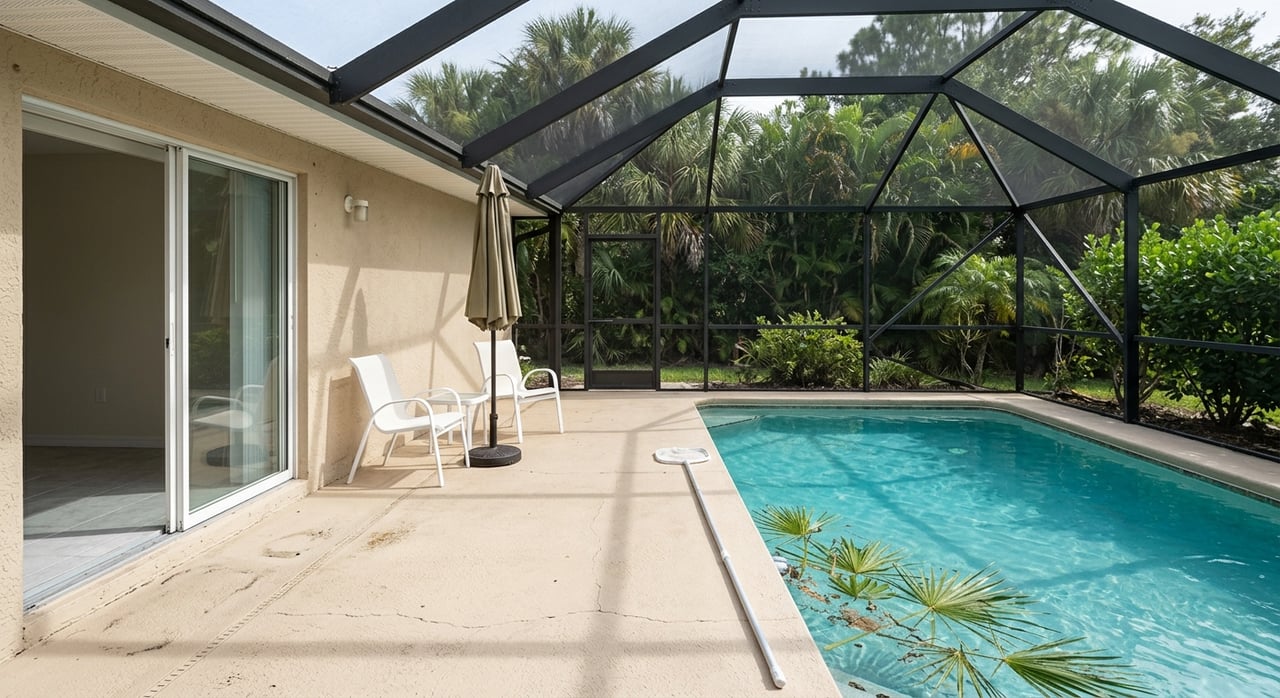
A Davenport vacation home can look perfect on paper, then slowly turn into one more thing you have to manage. Maybe you are using it less, paying for it year-round, or trying to handle upkeep from out of state. If you are wondering whether it still makes sense to keep, rent, or sell, this guide will help you think through the tradeoffs clearly. Let’s dive in.
Why Davenport Vacation Homes Change Over Time
Davenport has long appealed to second-home buyers because of its location and steady visitor traffic in Polk County. The city is also growing quickly, with a population of 16,764 as of July 2024, according to the U.S. Census QuickFacts for Davenport. In a market like this, it is easy to see why many owners bought with a long-term vacation plan in mind.
Tourism also shapes the local backdrop. Polk County reports that tourism and sports attract millions of visitors annually and generate major economic impact, and Visit Central Florida operates a welcome center in Davenport near Highway 27 and I-4, according to Polk County economic development materials. That kind of activity helps explain why Davenport includes planned communities often associated with vacation-home ownership.
Still, your life can change faster than your property plan. A home that once felt like an easy getaway can become harder to justify when you visit less often or find yourself coordinating maintenance from hundreds of miles away.
What Makes a Vacation Home a Headache
The biggest issue is usually not one dramatic problem. More often, it is the accumulation of regular costs, decisions, and responsibilities that continue whether you are there or not.
According to the Consumer Financial Protection Bureau, homeownership costs can include repairs, property taxes, insurance, HOA dues, maintenance, and in some cases flood insurance. Even if your vacation home is paid off, the ongoing costs do not disappear.
In Davenport, Census data shows median monthly owner costs of $2,045 with a mortgage and $512 without a mortgage, based on owner-occupied housing data from the U.S. Census. That is a helpful reminder that a lower-use property can still create a steady monthly drain.
If your home is in an HOA community, there is another layer to consider. Freddie Mac notes that HOA fees may cover common-area upkeep like pools, lawn care, trash service, gyms, and pest control, and those fees can rise over time. For an owner who is no longer using the property much, those charges can start to feel less like convenience and more like overhead.
Signs It May Be Time to Reevaluate
Sometimes the answer becomes obvious after one big life event. More often, the shift is gradual.
You may want to step back and reassess if:
- You are making fewer trips to Davenport each year
- The home sits vacant for long stretches
- Maintenance issues keep interrupting your schedule
- You are paying taxes, insurance, and HOA dues on a property you barely use
- The house needs work and you do not want to invest more money into it
- Managing the property from out of state feels tiring or inconvenient
In many cases, the property did not become the problem. Your travel habits, priorities, timeline, or tolerance for upkeep changed.
Option 1: Keep the Home
Keeping the property may still make sense if you use it often and the costs feel worth it to you. If the home continues to serve a clear purpose in your life, that alone can justify holding onto it.
But it helps to look at the decision honestly. Ask yourself whether you are keeping the home because it still fits your life now, or because it fit your life a few years ago.
If you keep it, make sure you account for the full picture, including:
- Property taxes n- Insurance
- HOA dues
- Routine maintenance
- Repairs that come up while the home is vacant
- Travel or coordination time if you live elsewhere
The CFPB’s guidance on ownership costs is a good reminder that the true cost of a home goes beyond the mortgage payment. That matters even more when the property is used only part of the year.
Option 2: Rent the Home
Renting can help offset expenses, but it is not a hands-off solution. For some owners, it works well. For others, it creates a different kind of stress.
Davenport does have an active rental market. Realtor.com market context shows hundreds of rentals in the area, with ZIP-level median rents roughly ranging from $1,750 to $2,800. That may make renting worth exploring if your goal is to reduce carrying costs instead of selling right away.
However, short-term rentals come with tax and management considerations. Florida allows counties to levy transient rental taxes on accommodations rented for six months or less, and Polk County budget materials describe a 5% local option resort tax on short-term accommodations, according to the Florida Department of Revenue local option tax overview.
Before you rent, think through the practical side:
- Who will manage bookings or tenants?
- Who will handle cleaning and maintenance?
- How will you manage vacancy periods?
- Are you comfortable tracking taxes and compliance requirements?
- Will renting reduce stress, or simply replace one set of responsibilities with another?
If you want income and do not mind the moving parts, renting may help. If your real goal is simplicity, it may not solve the core problem.
Option 3: Sell Through a Traditional Listing
Selling on the open market can be a strong choice if you want to maximize price and have time to prepare the home. That route may make sense if the property is in solid condition and you are comfortable waiting for the right buyer.
At the same time, recent Davenport market snapshots suggest that speed is not guaranteed. Redfin reported a median sale price of $320,000 and about 85 days on market in March 2026, while Realtor.com described Davenport as a buyer’s market in February 2026 with a median 95 days on market and sales averaging 2.41% below asking. While those reports use different methodologies, both point to a market where patience may be required.
That does not mean listing is a bad option. It simply means you should go in with realistic expectations about prep time, market time, and the possibility of repairs or updates if the home is dated.
Option 4: Sell As-Is for Cash
If your vacation home needs work, sits vacant, or has simply become too much to manage, an as-is cash sale can offer a cleaner exit. This option is often less about chasing the highest possible price and more about reducing hassle, uncertainty, and delay.
Realtor.com’s seller FAQ notes that cash-buyer sales are typically faster and more convenient, though they may result in lower net proceeds than a traditional sale. For many out-of-area owners, that tradeoff is worth considering, especially when the property needs repairs or they want to avoid cleaning, updates, or repeated showings.
This route may make sense if you want to:
- Sell the home in its current condition
- Avoid repair costs or cleanup
- Skip commissions and hidden-fee concerns
- Choose a flexible closing date
- Move on quickly from a property you no longer want to manage
For some owners, convenience is not a luxury. It is the main goal.
How to Decide What Fits You Best
The best choice usually comes down to three things: how often you still use the home, how much effort you want to keep putting into it, and how quickly you want to resolve the situation.
Here is a simple way to frame it:
| Option | Best Fit If | Main Tradeoff |
|---|---|---|
| Keep | You still use the home often and value having it available | Ongoing costs and management continue |
| Rent | You want to offset costs and can handle the added logistics | Taxes, management, vacancies, and coordination |
| Traditional sale | You want market exposure and may have time to wait | Prep, showings, and longer timing |
| As-is cash sale | You want speed, convenience, and a simpler exit | May net less than a traditional sale |
There is no one right answer for every owner. The right answer is the one that matches your current life, not your past plans.
A Practical Next Step for Davenport Owners
If your Davenport vacation home has become more burden than benefit, start by looking at the numbers and the effort honestly. Add up your taxes, insurance, HOA dues, and expected maintenance for the next year. Then compare that with how often you actually use the home and how much energy you want to keep spending on it.
If you decide selling is the better path, it helps to talk with a local team that understands Polk County and can explain your options without pressure. If speed, simplicity, and selling as-is matter most, The Small Team - Wholesale Website can help you request a fair, no-obligation cash offer and choose a timeline that works for you.
FAQs
What costs continue when you keep a Davenport vacation home?
- Ongoing costs can include property taxes, insurance, HOA dues, maintenance, repairs, and possibly flood insurance, even if the home is paid off.
Is renting out a Davenport vacation home worth it?
- Renting may help offset costs, but you still need to plan for taxes, vacancy periods, management, cleaning, and maintenance.
How long can it take to sell a Davenport home traditionally?
- Recent market snapshots cited in this article showed around 85 to 95 days on market, which suggests a traditional sale may take time depending on pricing, condition, and buyer demand.
When does an as-is cash sale make sense for a Davenport vacation home?
- An as-is cash sale may fit best when you value speed, convenience, fewer prep demands, and a clear exit from a property you no longer want to manage.
Can you sell a Davenport vacation home if it needs repairs?
- Yes, some local home-buying companies work with sellers who want to sell in the property’s current condition without making repairs or cleaning it first.