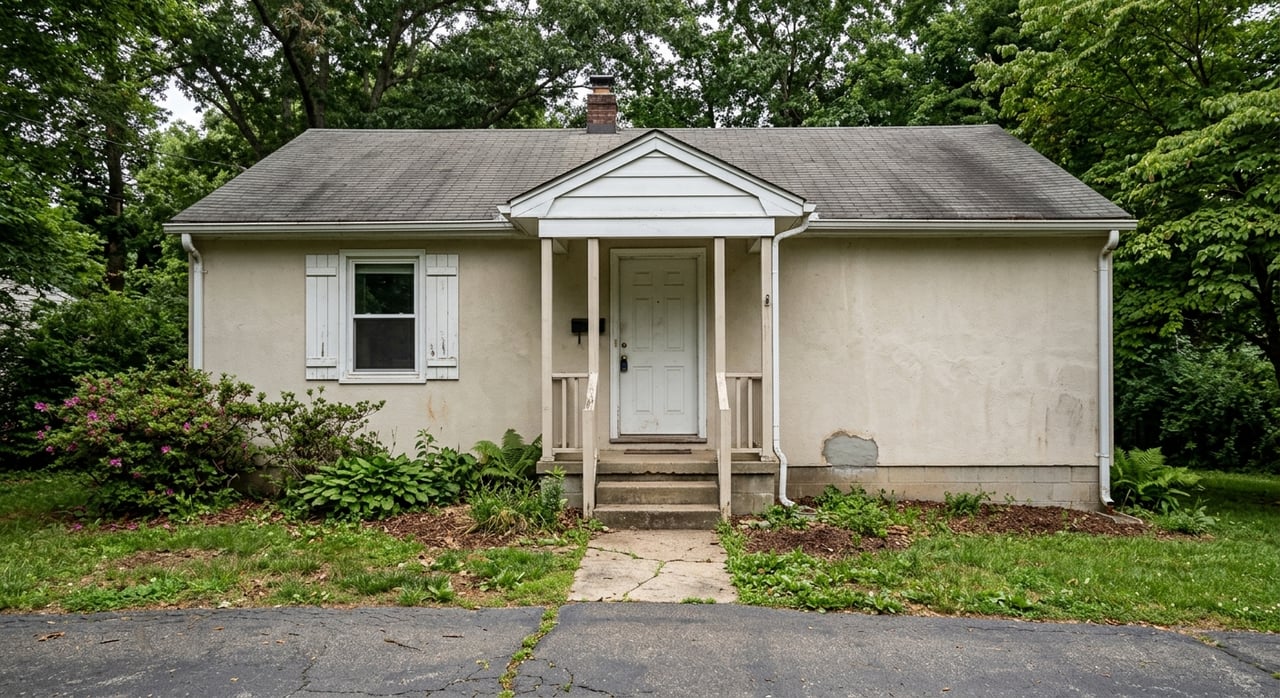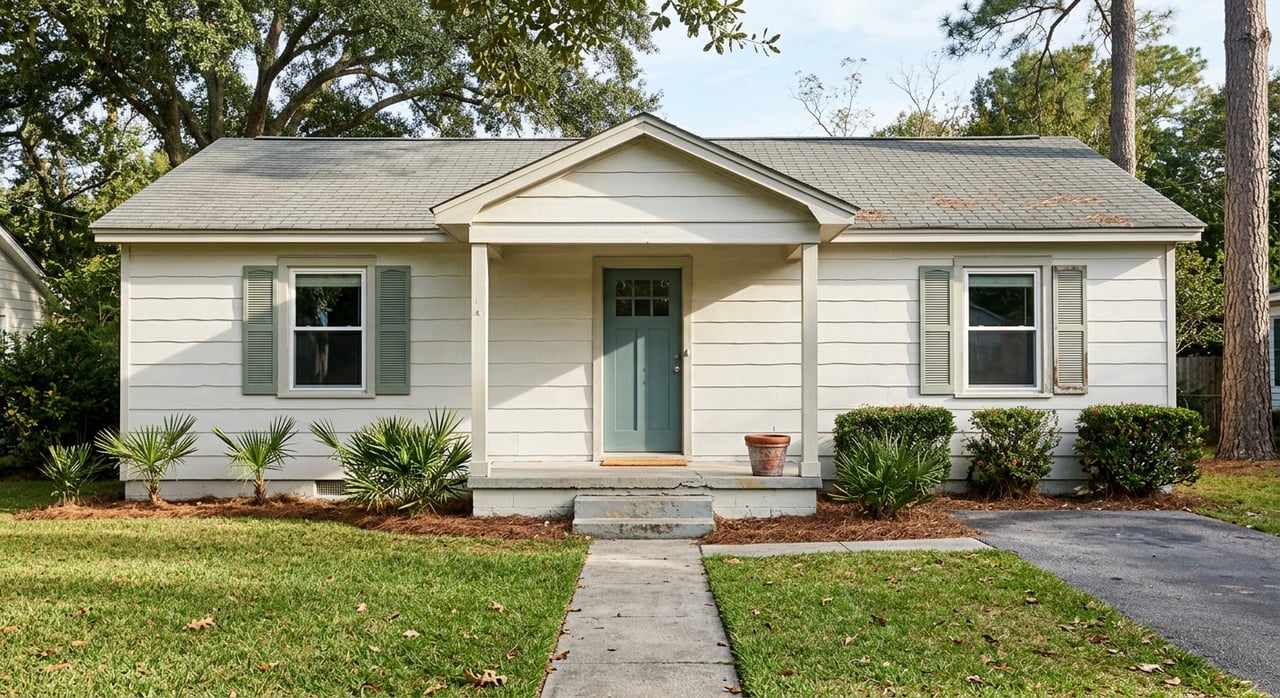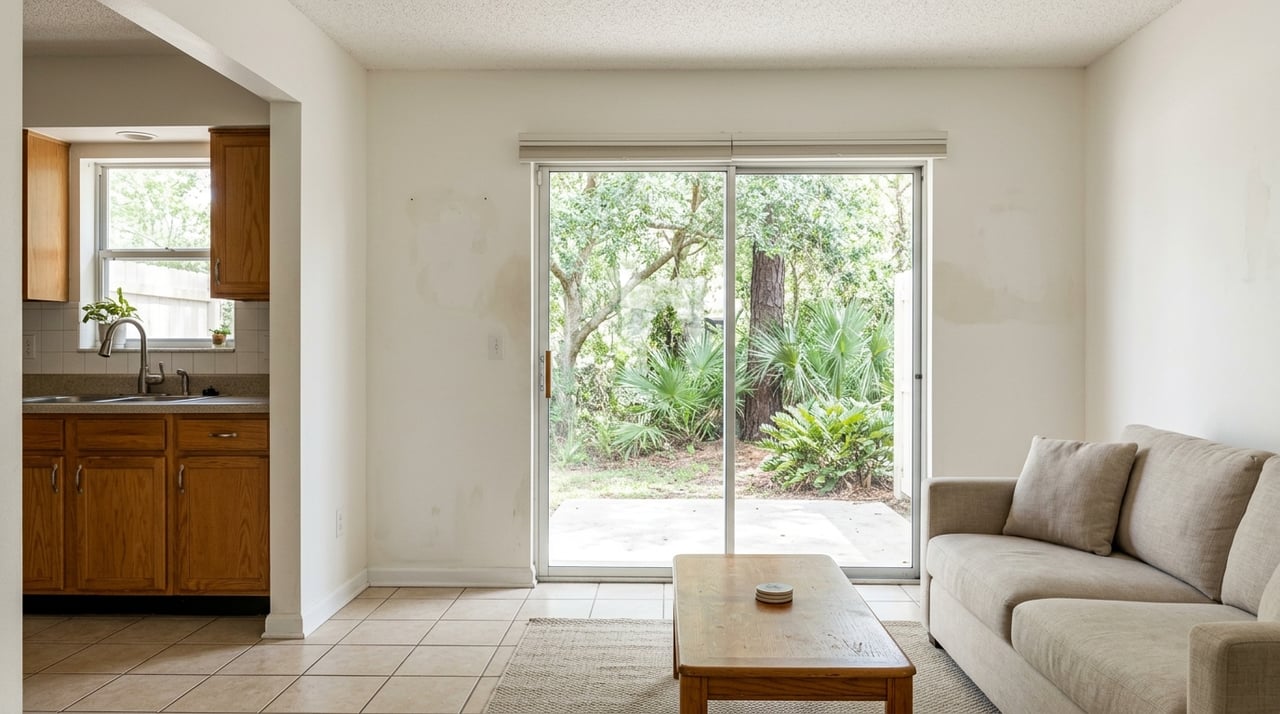
If you just inherited a house in Sebring, you may be dealing with more than a property. You may also be handling probate, family decisions, paperwork, and a home that needs cleanup or repairs. That can feel heavy, especially if you live out of town or need to make decisions quickly. The good news is that you do have low-stress options, and understanding the tradeoffs can help you choose the path that fits your situation best. Let’s dive in.
Start With Legal Authority
Before you focus on pricing or cleanup, make sure the right person has authority to sell the house. In Florida, the personal representative is the court-appointed person responsible for administering the estate, which can include gathering assets, paying valid claims and taxes, and distributing property. The Florida Bar explains that this role usually involves an attorney, even in simple probate matters.
That point matters because the person signing the listing agreement or deed must have legal authority to act for the estate. If there is no valid will, Florida Bar guidance says the surviving spouse has the first right to be appointed personal representative, and if heirs cannot agree, a judge may appoint one after a hearing.
Understand the Probate Timeline
Many families want to know how fast they can sell an inherited house. In Florida, even a simple probate estate must remain open through the three-month creditor claim period, and the Florida Bar notes that a simple estate often takes about five or six months overall.
That does not always mean you must wait until probate is fully closed to sell the house. In some cases, the property can be sold earlier if the personal representative has the needed authority under the will, Florida law, or a court order. Florida Statute 733.613 explains that sale authority can depend on whether the will gives the personal representative power of sale.
When Court Approval May Be Needed
If the will gives the personal representative a power of sale, Florida law may allow the property to be sold without separate court authorization or confirmation. If the will does not give that power, the court may need to authorize or confirm the sale before title can pass. That is one reason it helps to review the estate paperwork early.
Homestead Can Add Complexity
Some inherited homes involve Florida homestead rules, which can affect who inherits the property and how it can be transferred. If the owner is survived by a spouse or minor child, Florida law on homestead may give the surviving spouse special rights in certain situations. If the Sebring house was a homestead property, it is smart to clarify those rights before planning a sale.
Know the Tax Basics
The tax side is often less intimidating once you know the basics. According to the Florida Department of Revenue, Florida does not impose inheritance tax, and no Florida estate tax is due for decedents who died on or after January 1, 2005.
You may still have federal income tax questions when the house is sold. Inherited real estate generally receives a basis equal to fair market value on the date of death, or an alternate valuation date if one is used. That can make a real difference in the tax result, so it is important to gather value records and closing documents.
Another possible closing cost is documentary stamp tax. The Florida Department of Revenue says deeds that transfer Florida real property are generally subject to documentary stamp tax based on the consideration for the transfer, so your closing agent should confirm how that cost is handled.
Sebring Market Conditions Matter
Your sale options do not exist in a vacuum. Local market conditions shape how much prep may be worth doing and how aggressively you can price the home.
Recent Highlands County market data show a fairly buyer-friendly environment. In February 2026, the county had about 3.9K homes for sale, a median listing price of $299,000, a median of 71 days on market, and homes sold for about 5.26% below asking on average. Sebring itself had a median listing price of $297,950 and a median of 56 days on market.
In practical terms, buyers often have choices. If the inherited house needs a major cleanout, repairs, or updates, pricing realistically may matter more than aiming above the market and hoping for a strong response.
Option 1: Clean It Up and List
This is usually the highest-effort path, but it may offer the broadest market exposure. NAR describes staging as cleaning, decluttering, repairing, depersonalizing, and updating a home so buyers can better picture themselves in it.
For an inherited house, this option often means sorting belongings, arranging trash removal or donations, making repair decisions, and preparing for photos and showings. Bankrate notes that cleaning, decluttering, and pricing from local comparables are part of the process.
Best Fit for This Path
This route may fit you if:
- You want broad buyer exposure
- The house is in decent condition or can be improved without major stress
- The heirs are aligned on timing and decisions
- You are willing to spend more time coordinating the sale
Tradeoffs to Expect
The upside is exposure and the chance to attract more buyers. The downside is more work, more coordination, and usually a longer timeline.
Option 2: Sell As-Is With an Agent
An as-is listing can be a middle-ground option if you want market exposure without taking on a full prep project. Bankrate explains that as-is sales can speed the timeline and are often used for inherited homes because families want to avoid the hassle of preparing the property for the market.
That said, buyers usually factor repair costs and uncertainty into their offers. So while this path can reduce stress, it may also lead to a lower sale price than a fully prepared listing.
Best Fit for This Path
This route may make sense if:
- You want less cleanup and fewer repair decisions
- The house has visible wear or deferred maintenance
- You still want exposure to the local market
- You are comfortable with offers reflecting the property’s condition
Option 3: Sell Directly to a Cash Buyer
If your priority is simplicity, speed, and minimal prep, a direct cash sale is usually the lowest-stress option. Bankrate says cash buyers purchase without mortgage financing, which can reduce time and effort, and cash sales can close in a matter of weeks or faster.
This route often works well when the house is vacant, needs repairs, or still contains personal property. It can also help when heirs want to avoid showings, repeated negotiations, or a long listing timeline. The tradeoff is that sellers typically receive less than they might on the open market.
For families who value certainty over squeezing out every possible dollar, that tradeoff can be worth it. If a simple, respectful, no-pressure sale sounds like the right fit, The Small Team - Wholesale Website offers a straightforward way to explore a fair cash offer, with no obligation and flexible timing.
A Simple Way to Compare Your Options
| Sale Path | Prep Level | Typical Speed | Main Benefit | Main Tradeoff |
|---|---|---|---|---|
| Clean up and list | High | Slower | Broad exposure | More work and coordination |
| Sell as-is with an agent | Medium | Moderate | Less prep with market exposure | Offers may reflect repairs |
| Sell directly to a cash buyer | Low | Faster | Simplicity and speed | Usually lower price than full retail |
Gather These Documents Early
The paperwork side feels easier when you start early. Bankrate notes that useful documents can include:
- The will or trust documents
- Death certificate
- Current deed
- Mortgage statements
- Property tax records
- Insurance information
- Prior closing paperwork
If you are handling the estate from outside Sebring or outside Florida, local support can make the process much easier. The Florida Bar emphasizes that probate can be unfamiliar to non-attorneys, even in simpler estates.
Reduce Stress With the Right Team
Selling an inherited house is often less about the house itself and more about coordination. You may need a probate attorney to confirm authority, a real estate professional or buyer to help evaluate options, and a title or closing company to handle transfer details.
Some estates may qualify for summary administration or disposition without administration, but that depends on the estate’s value, debts, and asset mix. Because every estate is different, it helps to get clarity first, then choose the sale path that matches your timeline, the home’s condition, and how much effort you want to take on.
If you want a simple option for a Sebring inherited property, The Small Team - Wholesale Website can help you explore a fair cash offer with a transparent process, no repairs or cleaning, and a closing timeline that works for you.
FAQs
How long does probate usually take for an inherited house in Sebring?
- In Florida, a simple probate estate must stay open through the three-month creditor claim period, and the Florida Bar says a simple estate often takes about five or six months overall.
Can you sell an inherited house in Sebring before probate is fully closed?
- Often yes, but only if the person signing has the required authority under the will, Florida law, or a court order.
Does Florida charge inheritance tax on an inherited house?
- No. Florida does not impose inheritance tax, and no Florida estate tax is due for decedents who died on or after January 1, 2005.
What is the lowest-stress way to sell an inherited house in Sebring?
- For many families, a direct cash sale is the lowest-prep option because it can reduce cleanup, repairs, showings, and financing delays.
Does an inherited house in Sebring need repairs before selling?
- No. You can choose to clean and repair the home for a traditional listing, list it as-is, or sell directly to a cash buyer depending on your goals.
Why does pricing matter when selling an inherited house in Sebring?
- Recent Highlands County market data suggest buyers have choices, so realistic pricing is often important, especially if the home needs cleanup or repairs.